
How Sealants and Fillers Enhance Concrete Structures
Concrete is a common material used in construction due to its strength and durability. However, over time, cracks can appear, which may compromise the integrity of structures. This is where sealants and fillers come into play. They are essential tools in maintaining concrete’s longevity by preventing further damage and ensuring safety. Understanding their role in repairing cracks is crucial for anyone involved in construction or maintenance.
Importance of Filling Cracks
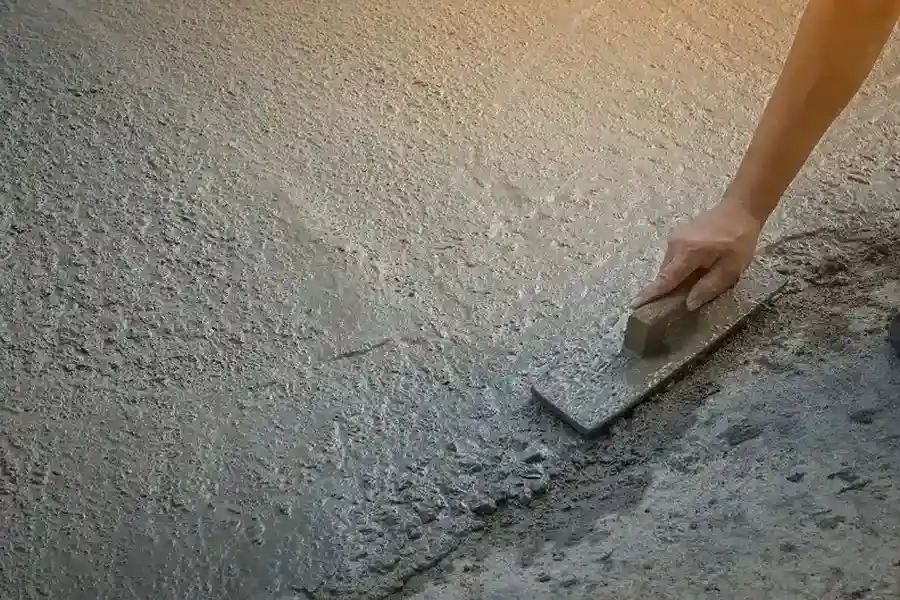
Filling cracks in concrete is more than just an aesthetic fix. It plays a vital role in maintaining the structure’s integrity. Water can seep into cracks, causing further deterioration over time. By filling these cracks, you prevent moisture from infiltrating the material, thus safeguarding the concrete against future damage.
How Sealants Work in Repairs
Sealants are flexible materials applied to surface cracks to provide a barrier against elements like water and debris. They are typically used for concrete crack repair, as they offer flexibility and movement within the structure while still protecting it. This flexibility is crucial because concrete naturally expands and contracts with temperature changes.
The Function of Fillers
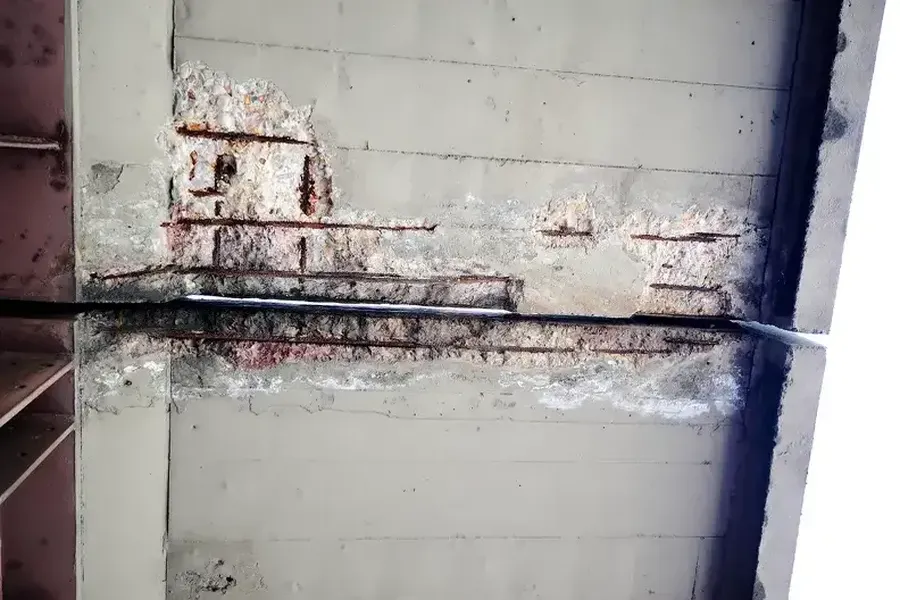
Fillers differ from sealants as they are rigid compounds used to fill deep voids in concrete before applying a sealant. In concrete crack repair, fillers are critical for supporting the structural load after a crack has formed. They ensure that the repaired area matches the surrounding material’s strength, providing a stable base for any subsequent sealant application.
Benefits of Using Sealants and Fillers
- Improves structural integrity by preventing further cracking
- Protects against moisture infiltration
- Extends the lifespan of concrete structures
- Enhances safety by eliminating trip hazards associated with uneven surfaces
Challenges in Application
Applying sealants and fillers can be challenging if proper procedures aren’t followed. Incorrect preparation of the crack can lead to poor adhesion, making repairs less effective. It’s important to clean and dry the area thoroughly before applying any materials. Additionally, selecting the right product for the specific type of crack ensures optimal results.
Best Practices for Effective Repairs
- Assess the type and size of cracks to determine suitable materials
- Clean the crack thoroughly to remove dirt and debris
- Apply filler to large voids first and allow it to set completely
- Use sealant on top for added protection against external elements
- Regularly inspect repairs to maintain effectiveness over time
Cost Considerations for Material Usage
The cost of using sealants and fillers varies based on factors such as crack size, material type, and labor involved. While initial costs might seem high, investing in quality materials can save money in the long run by extending the life of your concrete structures. Always consider the value of durable products when planning repairs.
Your Partner for Lasting Concrete Solutions
If you’re dealing with cracked concrete and need professional assistance, J & M Concrete is here to help. Our team specializes in delivering effective solutions tailored to your needs. Located in Denver, CO, we are equipped to handle all your concrete repair requirements with precision. Contact us at (720) 938-0421 today to learn how our expertise can benefit your projects.