
Understanding the Importance of Drainage Systems
Drainage plays a crucial role in ensuring the longevity of retaining walls. When water is not properly managed, it can build up behind walls and cause significant pressure. Over time, this pressure can lead to cracks or even complete wall failure. Proper drainage systems help divert water away from walls, minimizing this pressure and prolonging the structure’s life.
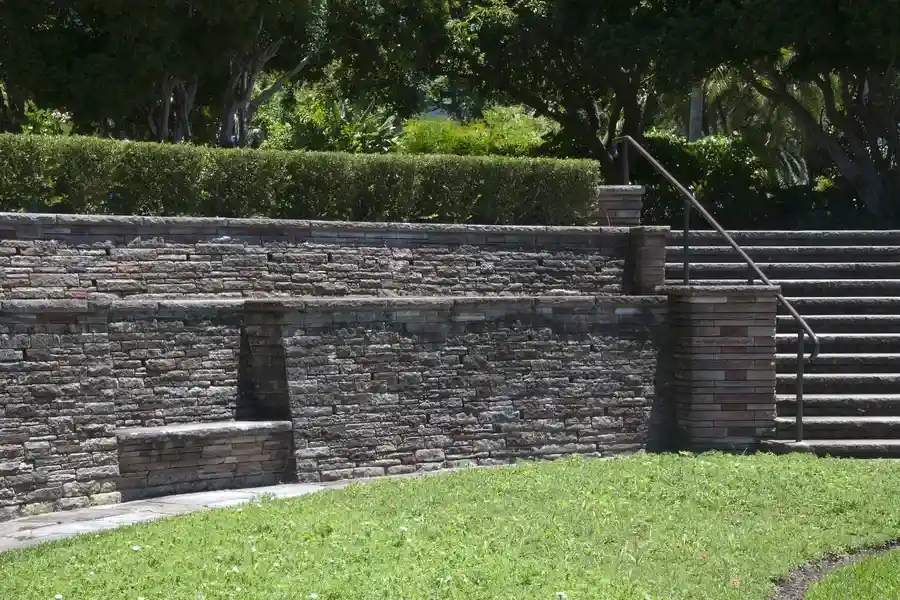
Why Poor Drainage Can Lead to Retaining Wall Repair
Poor drainage is one of the leading causes of structural issues in retaining walls. When water accumulates without adequate escape routes, it exerts hydrostatic pressure on the wall. This can lead to bulging, cracking, or leaning. Eventually, these issues necessitate retaining wall repair to restore stability and safety.
The Relationship Between Water Damage and Repair Needs
Water damage occurs when moisture continuously seeps into cracks and crevices. This weakens the materials and foundation supporting your wall. When unchecked, such damage escalates, making retaining wall repair inevitable. Regular checks for signs of water damage can prevent costly repairs and extend the wall’s lifespan.
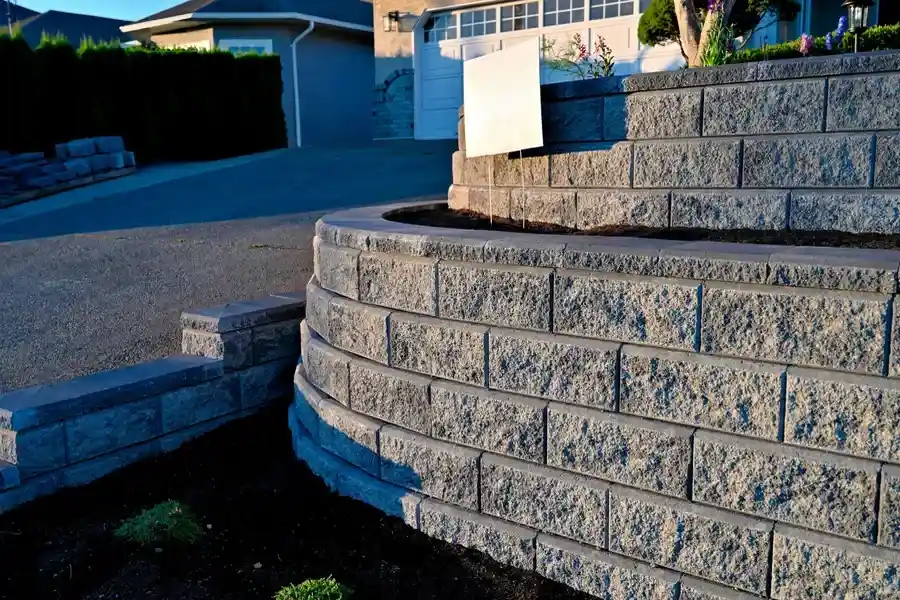
How Effective Drainage Systems Work
An effective drainage system includes several components designed to manage water flow effectively. Key elements include:
- Drain pipes: These direct water away from the wall’s base.
- Weep holes: Allow trapped water to escape through the wall’s surface.
- Gravel layers: Facilitate water movement away from critical areas.
Benefits of Installing Adequate Drainage Solutions
Installing an appropriate drainage system offers numerous benefits. It reduces maintenance costs by preventing damage before it starts. Additionally, it boosts property value by ensuring structural integrity. Homeowners can enjoy peace of mind knowing their investment is protected against weather-related issues.
Common Mistakes in Drainage System Installation
Avoiding common mistakes during installation is important for efficiency. Errors often include incorrect pipe sizing or placement and inadequate gravel backfill. Each component must be properly installed and maintained to ensure optimal performance and longevity.
Steps to Implementing an Effective Drainage Solution
- Evaluate site topography and soil type to determine needs.
- Select suitable materials and design based on conditions.
- Install pipes, weep holes, and gravel according to plan.
- Regularly inspect and maintain each component.
Consulting Professionals for Best Results
While DIY projects may tempt some homeowners, consulting with professionals ensures better results. Experts provide precise assessments tailored to specific sites. They offer guidance on suitable materials and designs that align with industry standards. Collaborating with professionals helps avoid potential pitfalls and enhances overall project success.
Your Path to Reliable Retaining Walls With Professional Help
You want your retaining walls to last long while maintaining their strength and appearance. For assistance with drainage solutions and more, reach out to us today at (720) 938-0421. Located in Denver, CO, our team at J & M Concrete specializes in creating durable structures that stand the test of time. Connect with us to explore how effective drainage can protect your investment.